
Watch for Physical and Mental Edges in Every Sport
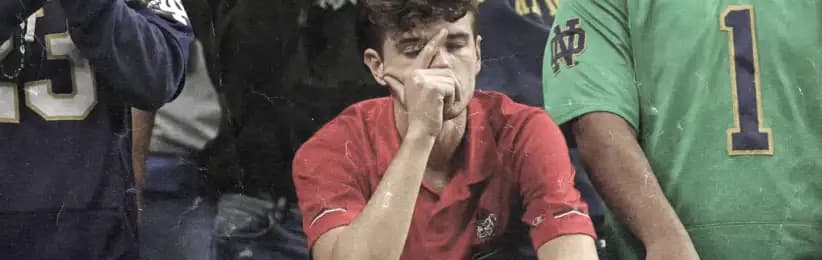
The top teams in every league get into the same challenges in December as any other team. Travel, injuries, mental fatigue. The difference is in how they manage it. And bettors can find an edge by paying attention to the organizations that do it best.
The December Fatigue Curve Is Real
By December, for the main pro sports leagues outside of baseball, the energy of a new season is gone. Fresh legs and optimism are out, replaced by fatigue, injuries, and reality.
The fatigue curve kicks in across the NBA, NHL, and NFL in different ways.
NBA teams average around 14-16 back-to-back games in their schedule over a full season, with a number of those landing in December, when travel is heaviest. Rosters are still finding rhythm since the season only tipped off 6-8 weeks ago, so coaches don’t always have the best game plan for who to rest and who to plug into the lineup. Studies on NBA schedule congestion show that the chance of winning goes up significantly when a team moves from a back-to-back set to one or more days of rest. Stats like shooting efficiency and intangibles like decision-making taking the biggest hit when teams are tired and then trend back up after even a short recovery.
In the NHL, it’s similar grind. By December, they’ve been on the ice a few weeks more than NBA players have been on the court, so injuries are usually higher and fatigue could be a bit deeper. While they also have their share of back-to-backs, the NHL players get hit by time zone changes and longer air miles. Some NHL teams will fly more than 40,000 miles over a full season, and long winter road swings hit harder in December because of those extra injuries and accumulation of fatigue.
For NHL betting, puck fans who want an edge should know that this all creates dips in defensive efficiency and puck management, especially for travel-heavy clubs in the Western Conference. This can mean higher goals against (especially with the backup goalie taking the back end of those back-to-backs), more penalties – the first thing a player does when the legs get tired is hook and hold – and a drop in shooting percentage for teams that were filling the net before December hit.
When we’re talking December football, especially in the NFL, the fatigue side is simple wear and tear. Injuries start to stack up in late November. Players that have been working through a nagging groin or shoulder issue just can’t get enough rest on 7 days (or shorter for Thursday Night games), and things break down from there. And when the tiredness sets in, players are more vulnerable to big hits and worn out soft tissue. Teams that do better or worse in December aren’t always the ones with the biggest names on the roster. By this time of year, it can come down to who’s still standing.
NFL betting fans should take it all into account. Even casual bettors check the injury reports, but the smart money looks at roster depth and replacement value. That second-string DB might step in and do fine, or he could get lit up all day. NFL QBs and offensive coordinators know exactly who to target, especially when they have an elite wide receiver to exploit the mismatch.
How Elite Teams Maintain
The gap between elite NHL, NBA, or NFL teams and the rest comes down to more than just talent. How they handle the grind matters too.
The teams that manage workloads best in the NBA can steal wins that the schedule says they should lose. It’s why you look back in the spring or summer and can spot a team that hit a winning streak in December that carried them from just above .500 to a playoff spot. Smart organizations plan December like mini-playoff schedules. And it’s the same pattern that you see in the postseason. Shorter practices with more walk-throughs, constant rotation adjustments, and targeted rest for key players. The shorthand these days is “load management” but it’s not random rest for the KDs, LeBrons and Currys – it’s strategic.
Switching back to the NHL, which team has won the last two Stanley Cups? The same one that has built out serious recovery infrastructure, even bringing cold tubs and elite treatment setups on the road. The Florida Panthers. It’s all meant to minimize the impact of those back-to-backs, time-zone swings, and to help out the players who aren’t quite 100%.
We’re not saying that it’s just because of this kind of top-level treatment that a team can play until June. Of course your NHL Futures bets should also take into account talent, depth, and coaching. But it doesn’t hurt to know which units are getting the best shot at recovery in December. Fresh legs, especially on the road, can add up to fewer turnovers and better stamina late in a game.
Ditto for NFL teams – they’re obsessive about recovery and data. For them, the playoffs aren’t some goal 4-5 months away from December. Wild Card Weekend is just a few weeks away. Late-season player management in the NFL now includes GPS tracking, tailored conditioning loads, and recovery tech that is cutting edge. Cryotherapy and compression systems? Only for billion-dollar franchises. NFL coaches will also use the same late-season rest days and reduced practice intensity for veterans that the NBA uses.
The Patriots used all kinds of extra care to keep Tom Brady together for so many seasons, and they’ve got the Super Bowls to back it up.
The Mindset Edge Gets Sharper in December
Physical fatigue has been covered already. What about the mental part?
Focus, patience, and discipline. These are all intangibles that can get worn down with lots of travel and being beat up every other night (or week, in the NFL). The grind happens to all of the players, private jets, five-star hotels and the best locker rooms possible don’t always help.
This all leads to more penalties and coverage lapses as the month drags on. And betting on each sport should factor in road trips and frequency of games, sure. But the smart money also pays attention to player interviews and things like morale.
Top coaches can take December as an opportunity to stay on track mentally while other teams lose their edge. Look for energy levels, especially late in the games. An elite team can still play the full 48 or 60 while others drop a few minutes here and there.
In the NBA, even a 5-6 minute lapse can turn into a 19-2 run that the best teams always seem to pull off. Same for the NHL – teams sometimes develop patterns that you can bet on, where a goal differential in the second period, for example, shows you that a team is always vulnerable for a part of the game.
And mid-to-late December in the NFL sees teams that are on the bubble either sink or swim, depending on whether they have the right coaching and mindset to play every down hard to the final whistle.