
December Magnifies Performance Pressure and Betting Opportunities.
The Month When Everything Starts to Count
In pro sports, December is the unofficial beginning of judgment season.
For the NHL and the NBA it’s approaching the midseason mark – the point of no return for a lot of teams because it’s tough to recover when you’re 11th in the conference when New Year’s Day hits. For the NFL, it’s the final stretch when every decision in and out of games feels heavier. Every mistake feels amplified.
December means teams are making moves to either solidify playoff berths or trying to keep faint hopes alive. A few are on the way to a full yard sale of top talent, resetting for the next season and the upcoming draft, which also puts pressure on coaches and GMs to keep fans coming to games.
Betting-wise, the smart money is acting like their own GM. Hitting the trade wires and rumors the right way can get you great odds on your futures bets for a number of leagues.
For players, the grind starts to set in. Fatigue is real, injuries pile up, and the margin for error disappears. They’re also feeling the pressure and hearing the trade rumors. Teams looking to upgrade a key position or shed salary want to get ahead of the trade deadline in the spring, when supply and demand issues can create problems.
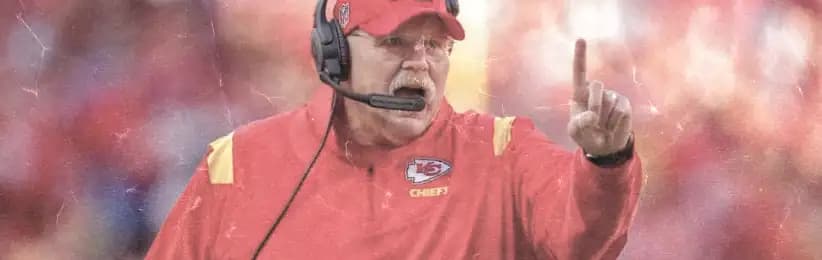
For coaches, December becomes a referendum on leadership. Are you maximizing talent, or losing the room? If you’re Lane Kiffin, are you ditching your Ole Miss team before the season even ends for more money and prestige at LSU? NCAAF and NFL coaches are on the hot seat in December more than any other month, and even NHL coaches start hitting the headlines because changes might be coming fast. Teams that are underperforming by now know they need to change course before the entire season slips away
European soccer gets hit too. December means fixture congestion and early season fatigue before the holiday break. That’s when injuries come into play.
It’s the same deal for soccer coaches as it is for North American coaches – fans and organizations start getting antsy by Christmas if their team has a huge payroll but isn’t getting the wins.
Coaches Under the Microscope
A losing streak in October can be dismissed as “early struggles”, a kind of grace period for teams and their fan bases to allow players to find their groove and coaches to get the right chemistry on the field (or court/ice). A slide in December though? By then it’s a problem. There’s too much money at stake on all sides. Fans and media start pointing fingers.
In especially passionate markets – top SEC schools in college football, Montreal/Toronto in the NHL, New York/LA in the NBA and most NFL and top Premier League cities – the pressure gets extra intense. A losing coach can walk into a restaurant in Charlotte or Seattle and not have any issues. But when he sets foot outside his door if the Jets are 1-8 or the Lakers are on a 10-game skid? They’ll scrutinize what kind of coffee he ordered.
Players get into it too. The locker room message can go stale by December as the losses pile up. Coaches “lose the room”. Executives start making calls and things get leaked.
Coaches who can handle December pressure understand external noise and what can be controlled. They make adjustments. Sometimes that means doubling down on the current plan, and other times they go for big lineup changes. All that noise can leak into the locker room too, and the top coaches know how to reset the focus on the next game, the next possession.
In December, coaches on the bubble (and coaches who are safe but still in a demanding market) need to read emotional energy the same way they read game tape. Do players need fire or calm? Push or pull? Who needs to be moved to the top line, and who needs to be rested and reset? The ones who manage all this the best are the ones with the 10, 20-year careers. Mike Tomlin of the Pittsburgh Steelers is a prime example. Since he got the job in 2007, the Steelers have never finished below .500. Even though he hasn’t always had upper-tier talent, he commands the room and gets the team into the playoffs more often than not.
Betting fans should look at all the metrics and matchups. But you also need to consider coaches as key difference makers, especially in a game or a series where the teams are closely matched. You can also look at teams on the bubble and read the room to spot which teams are headed for a slide or who’ve already packed it in for the season. You’ll spot an edge that the books can’t really price in.
Free Agents and Trade Talk
If December is high-anxiety season for coaches, it’s not much different for some players. Free agency and expiring contracts make for pressure and tension that fans can’t see on the field. When every game feels like an audition for your job, or the pressure for an underperforming team falls on your shoulders, the sticks get gripped harder, passes sail, and threes stop dropping. It’s called playing tight, and it’s the opposite of what they should be doing – letting years of practice and skill take over.
It doesn’t help that many December games happen under big national spotlights. The networks know that people are off work and tuned into the big bowl games and the Christmas Day lineups in the NBA and NFL. Players know it too. More eyeballs = more pressure.
Does that change betting strategies? Not outright, since it’s hard to see what’s really happening under the helmet. But you can see which players step up over time and which ones trend the wrong way. Lamar Jackson is famous for high-pressure games where he hasn’t delivered. Patrick Mahomes, on the other hand, has a better record in December than any other month over his career.
December has it all for sports watchers – multiple leagues in action, extra free time, crucial games. Fans have it great either way: you can just sit back and get into all the drama or follow the sharps and use it all as data.