
Analyzing what bettors got wrong for Super Bowl LX and why.
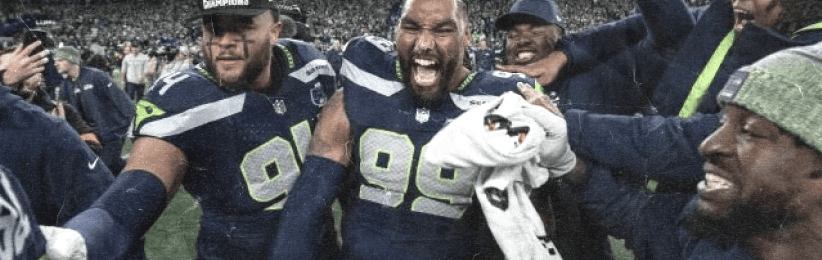
It can’t be that low-scoring can it? That’s the feeling millions of Super Bowl bettors had during the Seattle-New England matchup at Super Bowl LX.
It can though, as sharps know. But betting psychology is tough for some to overcome. If you were on the wrong side this year, and especially if you didn’t adjust during live betting, that psychology was probably at work. But the smart money knows to take lessons from Super Bowl results and stick to them year in and year out.
The Game Script Was Saying “Under” but Everyone Wanted Scoring
Super Bowl LX finished with a convincing Seattle win over New England, 29-13.
That combined score hit the Under, with the O/U set at 45.5, but the close 42-point total doesn’t tell the story of how many Super Bowl bettors got wrecked on Over bets across so many player props, not to mention to the final score itself.
Market overreactions are all part of the Super Bowl hype. People want a spectacular game full of TDs and big plays. No one votes with their bet slips on a defensive battle, except sharps. They know the value of data and the value of removing emotion from the betting psychology process.
The game itself was a weak 9–0 at the half and an even sadder 12–0 after three quarters. The Patriots were completely stuck in mud. Drake Maye looked overwhelmed by the Seahawks’ D, which brought different coverages and well-disguised blitzes all game long. It didn’t help that Mike Vrabel and his OC Josh McDaniels didn’t seem to want to try any different schemes themselves. So Seattle was perfectly happy to lean on defense, Kenneth Walker’s runs, and field position.
The problem for the emotional, casual betting public is that they can’t override their expectations or emotions. The Super Bowl is supposed to be the game of the year, right? That means even when you could see the writing on the wall – punt after punt, endless third-and-longs – the average fan probably didn’t learn what it needed to. Live betting the right way would have required the weekend warrior betting fan to adjust fast. And adjustments were likely slow, by the Pats’ offense and by the public.
Books also loved it because the public did what the public always does on the Super Bowl: parlay favorites with Overs and bet “Yes” on every fun prop they can find. The smart money, on the other hand, would have kept gravitating toward Unders on props and were totally fine with a slow game that most casual bettors couldn’t bring themselves to get in on. Learn from this: adjust those prior ideas when the game is showing you early what it’s going to be.
Or, before the game even kicked off, the sharps would have known that the Seahawks’ league-leading defense, playing against a 2nd-year QB in Maye who hadn’t faced a tough team for the entire regular season, would likely keep totals down.
But even with Walker’s late TD run that would have pushed the total over the 45.5 mark, the casuals who had the Over would say they were robbed by the holding call that negated the play. That’s cope. Truth is, the game was telling people over 3+ quarters that defense would rule the day. In years to come, this season’s Super Bowl results will show a score that was just 3.5 points under, but the sharps know that the entire story of the game is what you need to look at.
Another lesson for Super Bowl betting? You don’t get paid for how “fun” your bet slip looks. You get paid for how closely your bets match the realistic range of game plans and skill on the field. And this ‘Hawks-Pats matchup said “defensive grind” a lot more than the public was willing to admit.
Betting Psychology Matters and So Do the People Behind the Bets
This was one of those rare Super Bowls where the sportsbooks, the public, and a lot of sharp money all lined up on the same side. The Seahawks opened around -3.5 and got pushed to -4.5 and even -5.5 in some spots before coming back down, behind roughly 60% of tickets and close to 60% of the handle on the spread and moneyline.
On paper, that worked: Seattle not only won, they also controlled the game and covered easily. Sharps who played even bigger spreads on the alternate lines cashed.
At the same time, some of the biggest tickets of the entire postseason were emotional Patriots bets, not rational ones.
Circa took two separate $1 million moneyline bets on New England at +188 and +200, each one staring at seven‑figure upside if the upset hit. Then there’s Drake – the artist, not the QB. The Drake Curse lives on, as he put $1M on New England. Kendall Jenner had similar money on the Patriots moneyline. Mattress Mack was in for $2 million on the AFC team at +200. None of that money got home. Then again, if you’re betting based on celebrities and PR bets, you’re probably not betting with us.
But those numbers can sway people who think these high rollers must know something.
The key takeaway to sharpen any casual player’s betting psychology: the noise around the size of the bet and the fame of the bettor do not equal an edge in any way. It’s the gold dress debate that turned into a meme from a couple years back hold up. If enough people say something looks a certain way, we can start to doubt our own eyes.
Patient Prop Bets in the Super Bowl
Overcoming betting psychology patterns when it comes to the 1000’s of Super Bowl prop bets can pay off too.
Humans today like quick hits and fast resolution. Instant gratification in everything, including when it comes to props. It’s why so many people strike out on exotic bets like “TD and a 2-point conversion by the same player” or even “First TD scorer”. These are the spray and pray bets that look fun but rarely cash.
Beat this mind game by looking at more favorable outcomes that take longer to resolve. “No safety” for all 4 quarters is a better play. A team scoring a safety happens rarely. In 2025, for example, there were 12 safeties in 272 games, or 1,088 quarters.
At the same time, don’t cross your own wires. You might like the Over because your brain likes to see high-scoring games; but if you also hit the Under for multiple player totals, you’re betting against yourself.