
Mid-series is a great time to shift to props if your spread bets haven’t cashed.
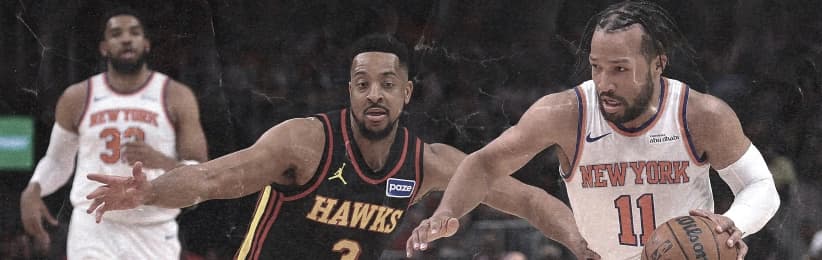
If you’re an NBA playoff betting fan who had a rough start to a series for your spreads and totals, props can be a solid spot to turn to. Those spreads might be too tight to extract any real edge for the remainder of the series. Pivot to player props ahead of the books based on matchups and pace plus coaching adjustments.
Why Mid‑Series Is Prime Prop Season
By the time you hit Game 3 or 4 of an NBA playoff series, the spread is usually razor sharp.
Books have a full NBA regular season of data to build intricate models so they maximize their returns and minimize edges for bettors to exploit. They also have the very recent playoff games between the same two teams to sharpen them even more based on the matchups they’re seeing. In a lot of series, you’ll see both teams, game after game, settle into a narrow range of numbers that range somewhere in the neighborhood between +3 and -4. This makes every game feel like a coin flip against the spread.
On top of that, playoff basketball slows down. Possessions drop while transition chances also dry up. Teams are way more comfortable grinding in the half court – especially underdogs who know it’s their only way to hang around until a late-game turnover or scoring run can help them sneak their way to a W. That shift in pace means spreads or totals are easier for the sportsbooks to nail down.
So it’s a good time to look elsewhere for your NBA playoff bets.
NBA player props, compared to overall pace and tightness between the teams, don’t always move with the same predictable pace. Things like player usage in different rotations and minute loads can shift big-time from what we saw in Game 1 to what we’ll see in Games 4-7. And the market is often a step behind in pricing those changes.
Those player props are based on coaching adjustments. Who starts/sits, who closes, who’s getting doubled every trip down the floor. This all creates new mini-edges on player points, rebounds, assists – every prop pretty much. Exotics and combo lines too. They’re all more open to be played successfully, long after the spreads have caught up and there’s no more value to squeeze.
That’s why sharps tend to let playoff series breathe for a game or two before they start fading spreads and totals, switching to props once real patterns show up.
There’s also a psychological angle to work with. As much as we push the rule that you need to take emotion out of NBA betting, it happens to the best of us.
A lot of casual bettors get burned on spreads early in a series, generally because they expect scoring to match the regular season totals. They then either chase harder on sides or tap out completely.
Sharps do the opposite. They accept that the spread is often the cleanest, most efficient market in the playoffs and move to where fewer people are looking. Mid-series props become a way to capitalize on the actual basketball being played in a specific series. These are the NBA bets that the public hasn’t fully adjusted to yet.
The Types of Props Sharps Gravitate To
The smart money targets NBA player props in the playoffs in a disciplined way. It’s not spray and pray, looking at hot-shooting nights or spikes in blocks. They look at categories that are directly tied to stable roles and repeatable matchups.
That starts with looking at minutes and usage-driven props. Points, rebounds, assists, and PRA combo props for star players and bench performers are the ones to focus on specifically.
In the NBA playoffs, coaches shorten the rotation. That’s generally a lock. And it means starters can see their minutes jump from around 30 MPG in the regular season to 38 – 42 when games get serious. That bump in court time alone can turn a player’s regular-season prop line into a soft playoff number if the books haven’t fully moved yet. Remember, they need to base their models on an 82-game season plus just a handful of playoff games, so the Overs might be easy picking when you make a mid-series shift to those prop bet types. A guard who averaged 22 points in 32 minutes in mid-January might suddenly be live to hit 26+ a night with the extra run and similar usage.
Next is matchup-driven Unders. Betting Unders isn’t the most popular with casual NBA bettors. People like to bet for something instead of against it.
Which is exactly why there’s room for value. Sharps have no time for hopium and emotion. In a playoff series, it’s well-known that defenses lock onto their opponents’ first options. No team wants to get beat when Luka pours in 45 and takes over the game on his own. So they’ll do everything they can to suffocate or eliminate looks for elite players. They’ll aim to push the ball out of their hands or at least force them into tougher shots instead of the free looks they got on many regular season nights. When a team starts trapping a lead guard or sending consistent help to bottle up a wing scorer, sharp know that’s a signal – whether they’re live betting a Game 3 or grabbing a line before the next matchup after a few easier-scoring nights for LeBron, Tatum or Ant.
And while you look closely at points Unders to cash in the middle of a series, also take into account assists.
Locking down a team’s #1 option might reduce that player’s point totals, but you could play the Over for their assists as they look to dish more often. Same for secondary scorers’ Overs – they’re going to see those assists arrive in their hands. The public money and the books? They’ll often remember Game 1 or Game 2’s big numbers for a star player and they’ll react slower to realize that a defense has actually solved that player for the rest of the series. And the lines for the secondary scorer’s props might be undervalued.
You can also cash on the other side of the ball, where fewer public bettors are looking.
Defensive and hustle props. Many series – aside from the occasional 1 v. 8 complete blowout – get more physical. Which means stats like rebounds, blocks, and steals can become more predictable for certain players. Rim protectors will see more half-court, late-clock attempts, which equals a lower shooting percentage and more balls up for grabs. Same for aggressive, D-first players who can rack up steals in those same situations. Dogs like Gary Payton and Bruce Bowen made their entire careers on this kind of playoff pressure. Look for today’s defensive specialists to do the same.
Books often spend less time sharpening these lines compared to the scoring props that everybody loves, so sharp money can find value in these less glamorous categories.
Read the series and the repeatable matchups instead of the nightly scoreboard. And move your money into props – the softer corners of the market.