
Momentum and market swings create huge live in-play value
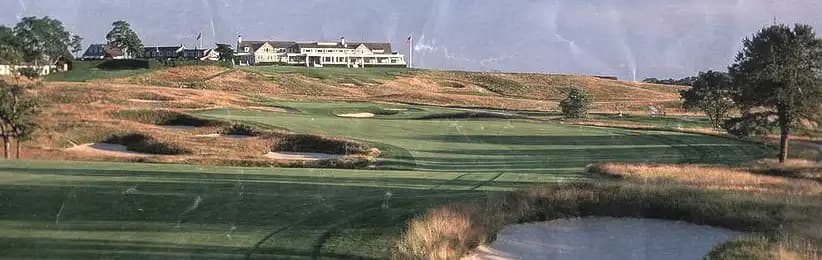
The U.S. Open is the perfect setup for live golf betting.
The star power and the stakes add up to pressure on the players. That brings large sums of betting handle that impacts the books. The course setup provides everything else – nasty traps, nastier rough, and diabolical greens.
It all makes for big swings in odds during live in-play betting at the US Open. Sharps know how to shut out the emotion and find the gaps in pricing.
Why the U.S. Open Is Built for Live Betting
If you’re looking for a birdie fest for your golf betting, you should probably skip Father’s Day weekend every year.
The U.S. Open is a total unicorn compared to the usual PGA Tour stops where guys shoot 63 regularly and finish with a 10‑12 under to take the winner’s cheque every Sunday.
It’s a grind, year after year. By design.
The US Open rough is the most punishing for any major. Par is a great score on many holes for the US Open and bogey is acceptable. Doubles can and do happen regularly.
It’s all what makes US Open live betting so dynamic. Outside maybe the Super Bowl or the UFC – and no, we’re not comparing golfers to linebackers or MMA fighters – it’s the best live betting event in sports.
The USGA has set the US Open courses up to be brutally tough long before live betting was a thing. They have it down to a science now: narrow fairways, ankle‑deep rough that is overseeded – so its thickness is as bad as its length, and greens that are set to turbo.
Winning scores usually hover around even par, and the venue rarely matters. Geoff Ogilvy won at Winged Foot with +5 final score. Graeme McDowell at Pebble Beach (+0) and recently Brooks Koepka at Shinnecock (+1) tell the story.
That kind of setup is great for live bettors. It keeps the field clustered and makes disaster and heroics equally possible. The market rarely prices that volatility perfectly in real time.
Check out the latest Golf odds at Lucky Rebel.
How Double Bogeys Blow Up the Board
In most regular PGA Tour events, outside of the majors, a double bogey on Thursday is a momentary annoyance. A few birdies down the stretch will clean it up.
When it comes to U.S. Open odds, a double can trigger a full market overreaction. There are way more eyeballs on the event, which means more handle and more incentive for the books to react accordingly. A guy who opens at +1200 pre‑tournament might drift to +2500 or more after one ugly hole, even if he’s still realistically in the hunt on a course where nobody is going low.
Winners who had ugly holes on their card, like Rory at Congressional with a double, Koepka at Erin Hills with a couple of big mistakes, and even Tiger at Torrey in 2008 – they all played through the chaos and bogeys. But doubles are almost baked into the event. You just can’t expect the same cushy layout of a corporate course where even the sponsored pro-am duffers can crack 80.
Live US Open markets, especially early in the four days, still treat them like outlier events though. Instead of being a normal part of U.S. Open scoring, they treat them like small catastrophes.
That’s where the smart money finds its edge: when a contender gets dinged with a double in a tough stretch but still has solid ball‑striking and a history of strong recoveries, the new panic price you’re seeing often represents value.
Weather Swings and Shifting Live Angles
U.S. Opens are often played on coastal or exposed courses. Pebble Beach, Torrey Pines, and the return in 2026 to Shinnecock are prime examples.
The wind picks up fast in these places, where a coastal breeze can turn into an Irish gale in minutes. What happens when the wind rolls in? Greens dry out, wind gusts mess up club length, and suddenly the best players in the world look like amateurs.
When that happens, scoring averages can jump by two or more shots in a matter of 3-4 holes. Live numbers often lag behind the actual difficulty spike though, so becoming a weather forecaster can be a great way to catch an early edge in live US Open betting. Early groups might get softer greens and more scoring chances before afternoon wind picks up.
Great opportunities might be around the corner in that case, if you’re paying attention to the radar. A player sitting at +1 and in 10th place through fifteen might suddenly become a great live buy at +2500 when you see the wind starting to pick up. With the leaders ahead of him on the leaderboard just getting into their round, he’s already gone through the toughest holes and he’ll be sitting back with a cold one (and so will you) watching the field come back to him.
Pressure, Psychology, and Meltdowns on the Green
The U.S. Open is one of the toughest mental tests in golf, up there with the Masters.
Players are dealing with brutal setups and huge crowds, with that rough lurking on every Tee Shot. The greens are hidden monsters too though.
With the average US Open venue playing at a slope rating of 145 to 150, that’s typically the toughest that players will see all season. You’ll see elite golfers suddenly babying putts and overreacting to every miss at the US Open more often as a result.
From a betting angle, this can show up as an emotional overcorrection on the odds board though.
A leader who three‑putts two straight greens might look like he’s tilting. Casual bettors will react. Markets driven by public money will price the narrative that he’s choking and you’ll see the odds go too high for a such a short glitch. The smart money might instead recognize that he lipped out and otherwise hit two pretty decent putts on glassy greens.
This is when those elite major performers become live targets at fat numbers. This isn’t their first rodeo, and a 2-3 hole stretch where the tricky greens got to them won’t necessarily mean an auto-fade.
Live Betting the US Open
If you’re betting live on the US Open, look for those big overreacting swings we mentioned already.
You’ll also want to generally play golfers who fit a kind of profile that suits the event. That means steady drivers who avoid the rough, grinders with a strong US Open history, and players who have top strokes-on-approach stats.
When a top ball‑striker takes a double thanks to a plugged lie or a nasty green and you see their number jump to +2500 or +3000 while they’re still top 10 on the live leaderboard, that’s often a good time to make your move.