
Formula 1 has a complicated history in the U.S. but the current breakthrough in interest means it’s finally here to stay
America’s a tough nut to crack for some sports. We like our footballs to be thrown, not just kicked. And we like our racetracks oval, not full of twists and turns.
Just like soccer/football tried to crack the US market, Formula 1 spent decades trying to win over America. Sometimes, the crowds did turn out, but it always stayed niche. What it struggled to build was a lasting connection beyond the race weekend. People needed personalities and teams to cheer for. Ahead of the Austin GP and other races, people need to feel connection to the event.
The F1 in America breakthrough came in stages – even though it still ranks well behind the core majors of NFL, NCAA football, NBA, and MLB. The latest big jump came when F1 gave Netflix access, and Netflix gave the sport a face.
America’ Humble F1 Beginnings
F1’s American story didn’t start with Netflix, of course.
The celebrity-filled garages or Miami hospitality packages that get a lot of coverage these days didn’t exist.
People might be surprised to know how far back Formula 1 goes in the States.
The United States Grand Prix joined the F1 championship at Sebring, Florida in 1959. It moved to Riverside in California the following year. Neither spot became a lasting home. Just putting a world championship race on American soil didn’t automatically make it commercially viable.
Deep pockets usually help any business survive a slow start. In the case of promoter Alec Ullman, his pockets might not have been deep enough for Sebring. Ulmann already had a successful event in the 12 Hours of Sebring race. His mistake was assuming that its popularity would translate to Formula 1. Ticket sales for the Grand Prix were barely half those of the endurance race. He was committed to a hefty prize fund for the GP, which added to the financial strain. He moved the race to California the following year.
It was roughly the same scenario in Riverside – weak attendance, big costs. Ullman also annoyed the locals who already had a race with different cars that they also called a Grand Prix by saying it wasn’t a “real” Grand Prix. He needed their support and didn’t get it.
A different promoter named Cameron Argetsinger brought the United States Grand Prix to Watkins Glen in 1961, giving F1 the stable American home it had been missing. Long Beach added another foothold, staging the United States Grand Prix West from 1976 through 1983. These helped build a foundation, even though the sport was still miles away from national popularity.
Too Many Fresh Starts, Then One Huge Own Goal
Las Vegas, Detroit, Dallas and Phoenix all staged F1 races during the 1980s and early ‘90s. Some lasted longer than others, but the championship kept changing its American address. That made continuity difficult. It’s like moving to a new neighborhood every couple of years. Every new location needed to establish its own relationship with spectators and promoters.
F1 returned to the States in 2000 after eight years away. That alone is a big mistake. The entire sport existed overseas, moving it even farther from American eyeballs and overall awareness.
About 225,000 spectators attended the first race at Indianapolis Motor Speedway though, so the demand was there it seemed.
Then came 2005.
Concerns over Michelin tire safety led the 7 teams using those tyres to withdraw into the pits after the formation lap. Just six cars started the race. Fans who had paid and travelled to see the world’s top drivers in the fastest cars instead watched a joke of a field.
With a sport trying to attract new people that was a major mistake and a reason for the fans not to come back.
The sport disappeared again from the US from 2007-2012. Another false start.
Austin Built the Foundation Before Netflix Arrived
The next version of the United States Grand Prix began in 2012 at Circuit of the Americas outside Austin. COTA was the first purpose-built Formula 1 venue in the United States.
F1 had a recognizable American home (skeptics might say Watkins Glen also provided that). In any case, it gave F1 racing fans a destination around which they could build a new tradition.
The Austin GP was already established years before Drive to Survive premiered in March 2019. It was a huge hit and a huge new marketing opportunity, but the people who laid the foundation since that 2012 race and who had the vision to create COTA just for F1 did the heavy lifting.
Austin’s breakthrough came from with local promoter Tavo Hellmund, who was also a driver in his previous life and lived locally. That helped. Bringing in some fat cat from the French Riviera would have been less appealing of a story than having a local guy get it done. Hellmund envisioned the purpose-built F1 circuit and secured the original deal to bring the championship to Texas. Investors Bobby Epstein and Red McCombs supplied crucial backing, then kept the project alive after a bitter split with Hellmund just ahead of F1’s 2012 American re-start.
Netflix Made the People as Interesting as the Cars
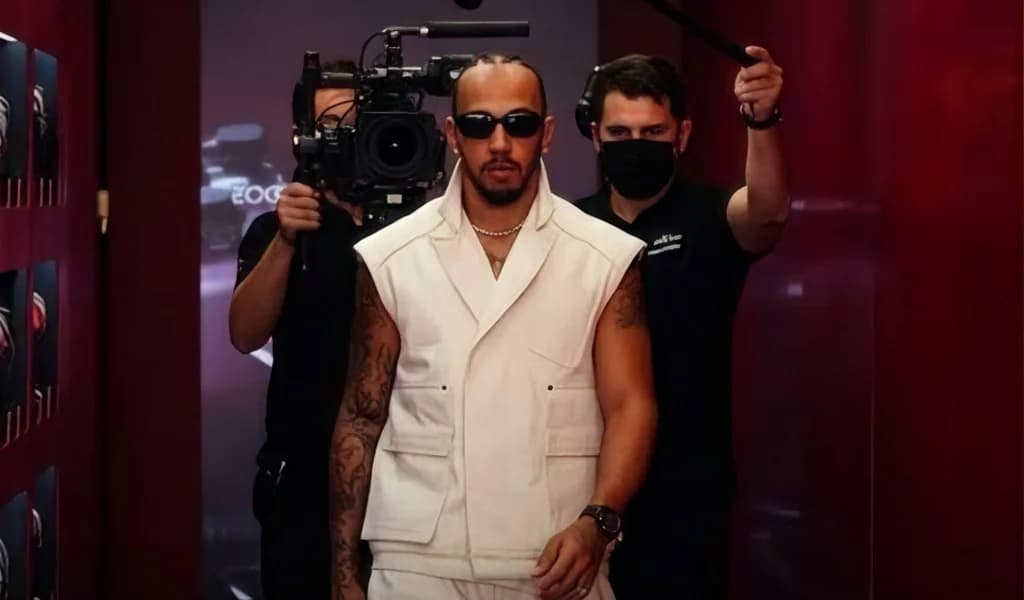
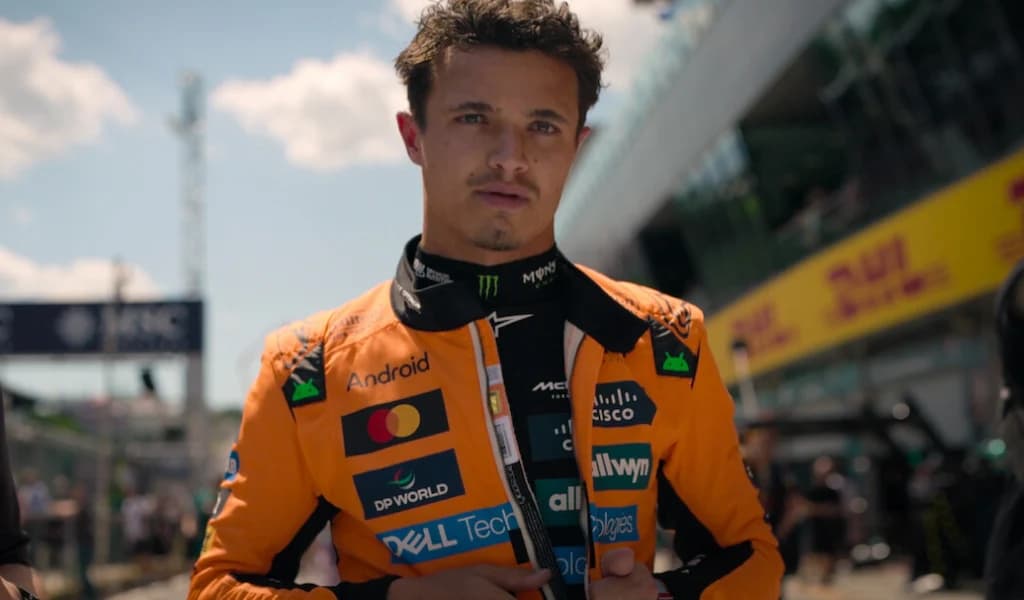
Netflix’s Drive to Survive was the major breakthrough that people will probably still point to decades from now when they talk about F1’s US success. It was (and still is) a behind-the-scenes series that explained the championship and also, more importantly, the drivers, the team principals, and the drama.
The sport’s geeks can talk tire degradation, dirty air and DRS all they want. The masses, who might otherwise flip over to Love is Blind or America’s Got Talent, want to see drama, cool venues and the personal lives of the guys behind the helmets. Netflix delivered big time.
Social media almost definitely helped. Same with F1 betting. More access points to any sport might dilute it for the purists, but it helps reach more people. Netflix humanized F1 and gave people access via their living rooms.
F1 Expansion in the USA
The expansion of F1 venues in the States also help with that access.
Instead of having drivers and teams jet in for a week and then pack up for Europe, Asia, or the Middle East, they can stick around for longer time. Miami joined in 2022, followed by Las Vegas in 2023, adding two American stops alongside Austin.
The television numbers prove it, on top of the live attendance at the events. ESPN’s F1 coverage averaged a record 1.3 million viewers per race in 2025. That was 142% above the 538,000 average recorded during NBC’s final season in 2017.
F1 hasn’t conquered every American sports household, and it probably never will, but it looks like it’s sticking around for a while now.