
America’s sporting identity is shifting, and it’s happening faster than most people realize.
For decades, football and baseball defined the U.S. sports landscape. Twenty years of data now shows that balance starting to change. Lucky Rebel analyzed how interest in eight major sports has moved across all 50 states over the past two decades to find out which sports are surging, which have stalled and which are slipping.
Key Findings
- Formula 1 is the fastest-growing sport in the U.S., up 258% nationally, with the biggest jumps in Alaska (+600%), Maine (+400%) and Vermont (+400%).
- Basketball is the most consistent riser, up 130%, with growth spread across states such as Delaware (+228%) and North Dakota (+109%).
- American football is still the biggest sport and up 155% nationally, but growth in traditional heartlands like Alabama (+3%) and South Carolina (+4%) has been marginal.
- Ice hockey is moving into new markets, led by Nevada (+600%) and South Dakota (+500%).
- Golf is the only sport in the study to decline nationally (-15%), falling by 70% or more in Georgia, Texas and Alabama.
- Soccer is up 24% nationally but losing ground in key states, including Florida (-59%) and Ohio (-57%).
Formula 1: Up 258% in 20 Years

No sport has grown faster in America over the past two decades than Formula 1. Interest has surged nationwide, including in states with no real connection to the sport:
- Alaska +600%
- Maine +400%
- Vermont +400%
None of those states is anywhere near a Grand Prix. Nevada has grown strongly alongside the Las Vegas Grand Prix, but the wider pattern shows this isn’t just about races coming to town.
Three things are driving it. F1 has turned itself into an entertainment product built on personalities and storylines, with Netflix’s Drive to Survive leading the way. Races in Austin, Miami and Las Vegas have made it far more accessible to American fans. And, most importantly, it has won over younger audiences who are changing how sport gets watched.
American Football: Up 155%, but Flat in Its Heartland
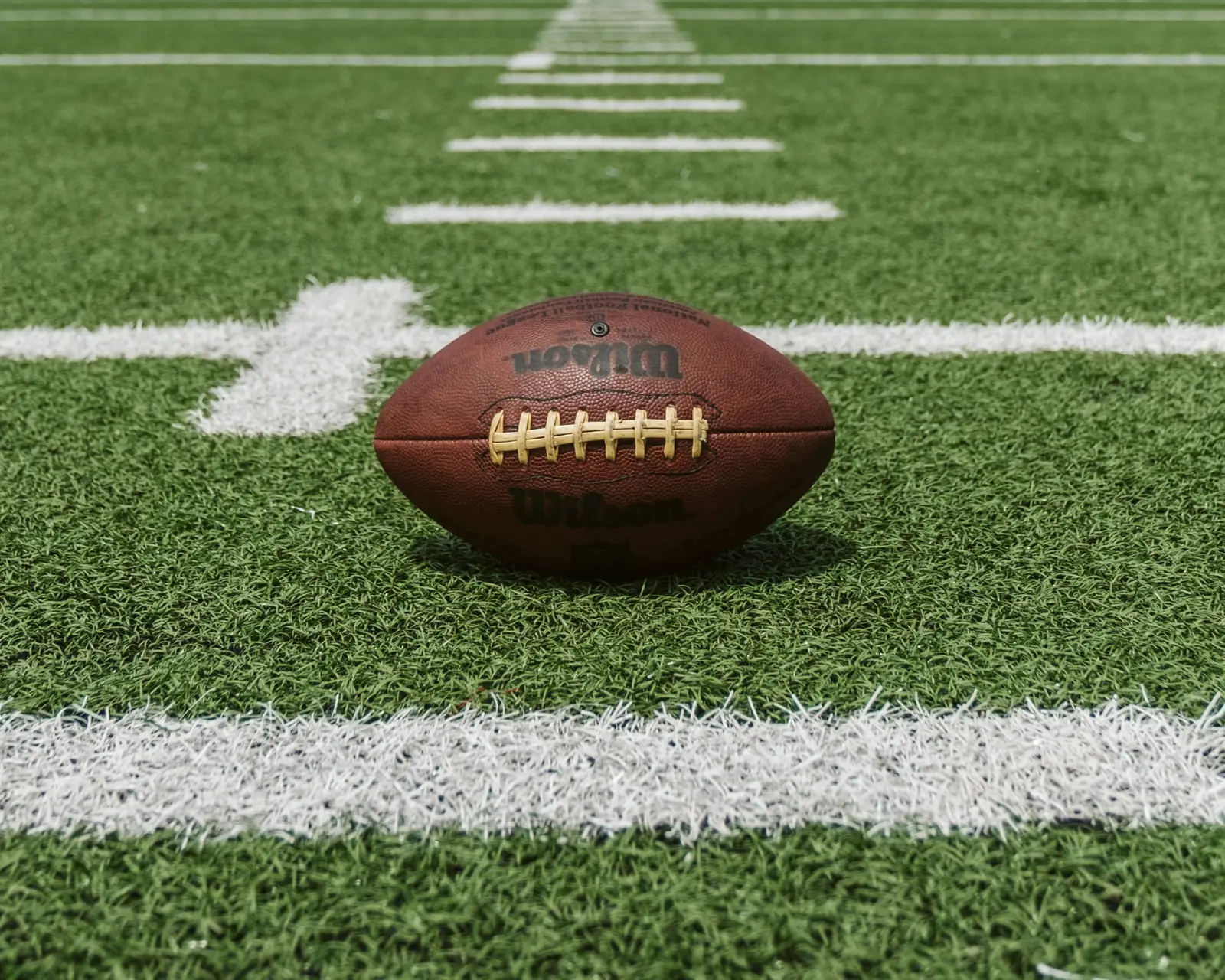
American football is still the most popular sport in the country, and nothing in the data suggests that’s about to change.
Where its growth has stalled is in the places that already loved it most. In traditional football states, interest has barely moved in 20 years:
- Illinois +7%
- South Carolina +4%
- Alabama +3%
That’s what a mature market looks like. Football remains the benchmark for U.S. sports, but in its heartland there’s little room left to grow, and it’s no longer expanding at the pace of newer arrivals like Formula 1.
Basketball: Up 130% and the Most Consistent Riser

Formula 1 leads on percentage growth, but basketball stands out for how widely it’s growing. Interest is up across the map, including in states not usually associated with the sport:
- Delaware +228%
- Alaska +172%
- North Dakota +109%
- Vermont +100%
- Idaho +90%
Accessibility is a big part of it. All you need is a ball and a hoop, and you can play almost anywhere. Add the NBA’s global reach and its huge presence on social and digital platforms, and basketball has become part of everyday culture far beyond its traditional strongholds.
Ice Hockey: Up 37% and Moving Into New Markets

Ice hockey is no longer confined to its traditional northern strongholds. Some of its biggest growth has come from unexpected places:
- Nevada +600%
- South Dakota +500%
- Idaho +300%
- Delaware +100%
Nevada’s jump is easy to explain. The Vegas Golden Knights arrived in 2017, reached the Stanley Cup Final in their first season and won it all in 2023. Elsewhere, more indoor rinks and youth programs have broken down the geographic barriers that once kept the sport in cold-weather states.
Soccer: Up 24%, but Losing Ground in Key States

Soccer is the world’s biggest sport, and national interest in the U.S. is up. But that growth hides sharp drops in some of the country’s largest states:
- Florida -59%
- Colorado -58%
- Georgia -57%
- Ohio -57%
- California -23%
That says a lot about how crowded the U.S. sports market is. Basketball keeps growing, football is deeply embedded, and newer arrivals like Formula 1 are winning over younger fans. Fragmented broadcasting across multiple leagues and competitions also makes it harder for soccer to build one consistent fanbase.
The 2026 FIFA World Cup on home soil was meant to change that. Whether it leaves a lasting bump is the next big test.
Baseball: Up 21%, but Falling Sharply in Some States
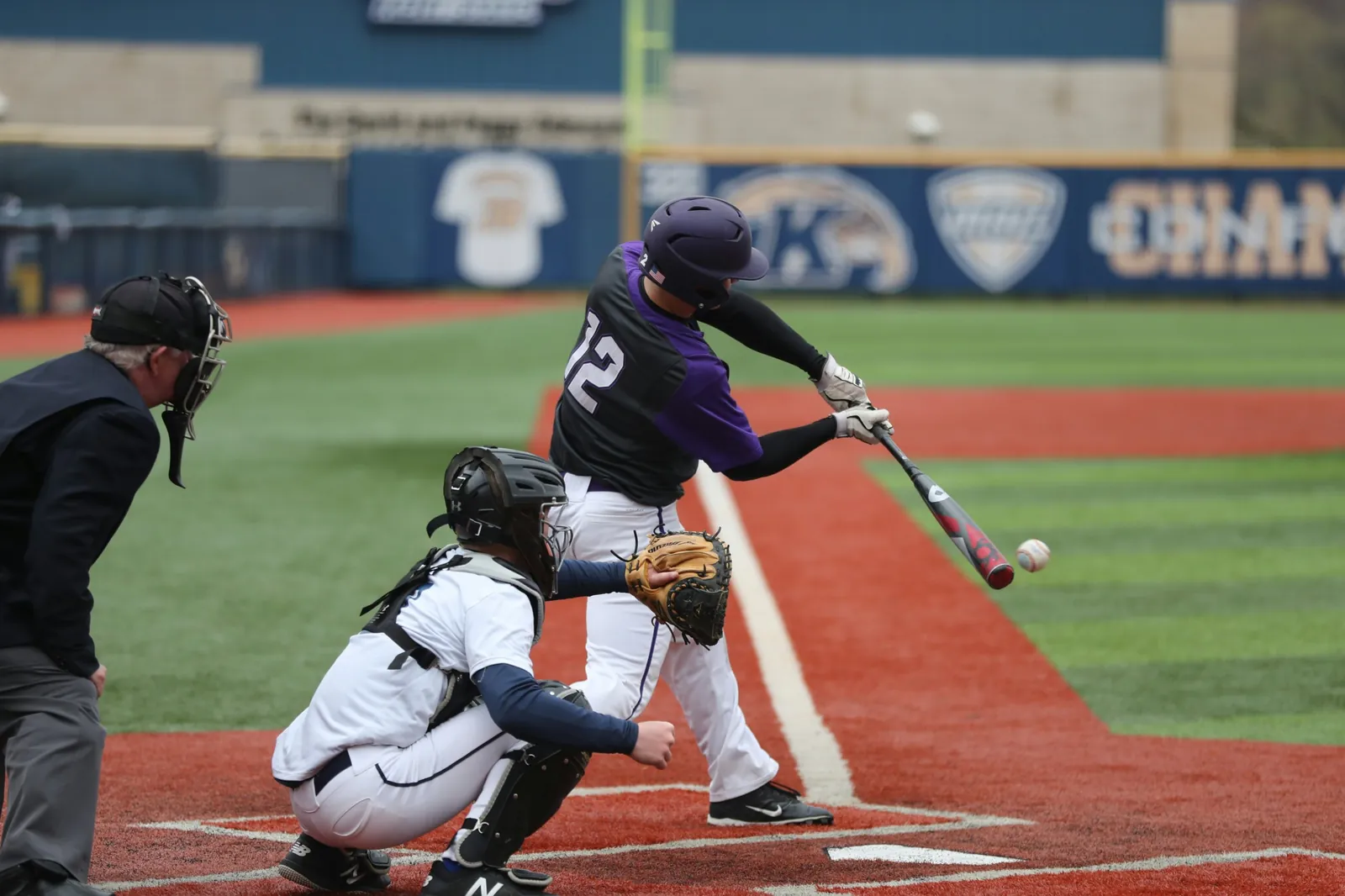
Baseball has been central to American sports culture for more than a century. Nationally it’s still growing, but slowly, and in several states interest has fallen hard:
- Connecticut -65%
- Iowa -65%
- Indiana -60%
- Pennsylvania -45%
The sport has long battled concerns about pace of play, an aging audience and competition from faster, more dynamic sports. MLB’s 2023 rule changes, including the pitch clock, were designed to tackle exactly that. It’s too early to say whether they’ll reverse the trend.
Boxing: Up 17% and Driven by Big Fight Nights

Boxing has the most uneven picture of any sport in the study. Some states have seen interest double:
- Nevada +100%
- North Carolina +100%
- Oregon +100%
Others have seen it collapse:
- Florida -67%
- Georgia -67%
That fits boxing’s event-driven nature. Interest spikes around major fights and big-name matchups, but keeping fans engaged between those moments is still the sport’s biggest challenge.
Golf: Down 15% and the Only Sport in Decline

Golf is the only one of the eight sports where national interest has fallen over the past 20 years, and the drop is steep in several states:
- Georgia -76%
- Texas -70%
- Alabama -70%
- Illinois -61%
- California -60%
The problems are structural. Golf takes a lot of time and money, which makes it a hard sell for younger audiences who increasingly prefer sports that are quicker and easier to get into.
Golf is still a commercial heavyweight, but the long-term direction is clearly down.
What This Means for the Future of U.S. Sports
The data points to a clear shift. Formula 1 and basketball are gaining momentum, American football is dominant but leveling off in its heartland, and golf and baseball face structural challenges that are starting to bite.
The bigger story is fragmentation. No single sport is capturing the next generation of fans the way football once did, and states are developing increasingly distinct sporting identities shaped by access, culture and changing habits.
The next era of American sport won’t be defined by one dominant force. It’ll be a wider mix of sports competing for attention, and the ones that adapt to how fans now watch and play will define what comes next.